1P-LSD vs. LSD : A comparison for academic research
In the field of psychedelic research, lysergamides are at the center of scientific interest—particularly because of their profound effects on the psyche and cognition. LSD (lysergic acid diethylamide) is considered a classic. However, in light of regulatory hurdles, researchers are increasingly turning to alternatives such as 1P-LSD (1-propionyl-lysergic acid diethylamide). In this article, we compare LSD and 1P-LSD in terms of their chemical properties, legal status, and scientific relevance.
⚠️ Note: The substances discussed here are intended for laboratory and research purposes only. They are not approved for human consumption. Please ensure that all activities are carried out in compliance with applicable laws and regulations.
Chemical properties
LSD (lysergic acid diethylamide):
-
Molecular formula: C₂₀H₂₅N₃O
-
Molar mass: 323.43 g/mol
-
Structure: Contains a lysergic acid core with a diethylamide group
-
Mechanism of action: Acts primarily as an agonist at serotonin receptors (especially 5-HT₂A ), leading to changes in perception and consciousness
1P-LSD (1-Propionyl-LSD):
-
Molecular formula: C₂₃H₂₉N₃O₂
-
Molar mass: 379.50 g/mol
-
Structure: Derived from LSD with additional propionyl group on the indole nitrogen
-
Mechanism of action: Functions as a prodrug and is converted into LSD in the body – with similar pharmacological effects
Legal aspects
The legal classification varies by country:
-
LSD: Classified as a narcotic or Schedule I drug in many countries, including Germany and the USA, with a high potential for abuse and no recognized medical use
-
1P-LSD: Not (yet) specifically regulated in some countries, making it legally available for research purposes under certain conditions. However, analogue regulations may apply—so always check locally!
✅ Note for researchers: Always check the current legal situation in your country before purchasing and using this product. Please refer to our Legal Guide for Researchers (available soon).
Application in research
Both LSD and 1P-LSD are increasingly used in neuroscience and pharmacology:
-
LSD: Extensively researched – particularly with regard to altered consciousness, neural connectivity, and potential therapeutic benefits (e.g., for depression, anxiety disorders, PTSD)
-
1P-LSD: Due to its legal availability in some countries, it is a viable alternative for in vitro studies, animal studies, and receptor binding analyses
Comparison table: LSD vs. 1P-LSD
| Characteristic | LSD | 1P-LSD |
|---|---|---|
| Legal status | Usually strictly regulated | Often (still) legal for research |
| power | Very high | Slightly lower |
| Duration of action | 8–12 hours | 8–12 hours |
| Research situation | Restricted by legislation | More accessible |
| Metabolism | Works directly | Prodrug, turns into LSD in the body |
Safety and laboratory practice
The handling of LSD and 1P-LSD requires the utmost care and laboratory standards:
-
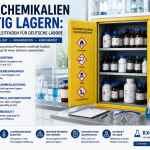
Storage: Protect from light, dry, and preferably refrigerated (ideally 2–8°C). Use airtight, dark containers.
-
Handling: Always wear protective gloves and goggles. Avoid contact with skin and mucous membranes.
-
Disposal: Dispose of leftover chemicals and consumables in accordance with local environmental and laboratory safety regulations.
Conclusion
While LSD remains an important molecule in basic psychedelic research, legal restrictions make access difficult in many places. 1P-LSD offers a valuable alternative—with similar pharmacological properties but greater availability for laboratory purposes.
🧪 Start your next research project now!
✅ Discover our range of high-purity lysergamides for research and analysis.
📬 Stay informed:
Subscribe to our newsletter for updates on new substances, research findings, and legal developments.
👉 Subscribe now
Note: This article is for informational purposes only and does not constitute legal or medical advice.